

incivil service explores what happens inside organizations—particularly public institutions—when their stated values encounter the realities of power, hierarchy, culture, identity, and human behavior.
Drawing from organizational psychology, leadership studies, public administration, research, and lived professional experience, these essays examine the everyday dynamics that shape institutional life: who is heard, who advances, how authority is performed, why harmful cultures persist, and how people adapt to systems that do not always behave as their policies suggest they should.
The purpose is not simply to critique institutions or the people within them. It is to understand them.
By moving from observation → lived experience → research → theory → experimentation → application, Incivil Service asks what organizational behavior can teach us about the institutions we have—and how that knowledge might help us imagine and build better ones.
Question power. Examine institutions. Imagine what’s possible.


Preview: The Juno Effect
Preview: The Juno Effect
What if the people labeled disloyal to an institution are actually the ones taking its stated purpose most seriously?
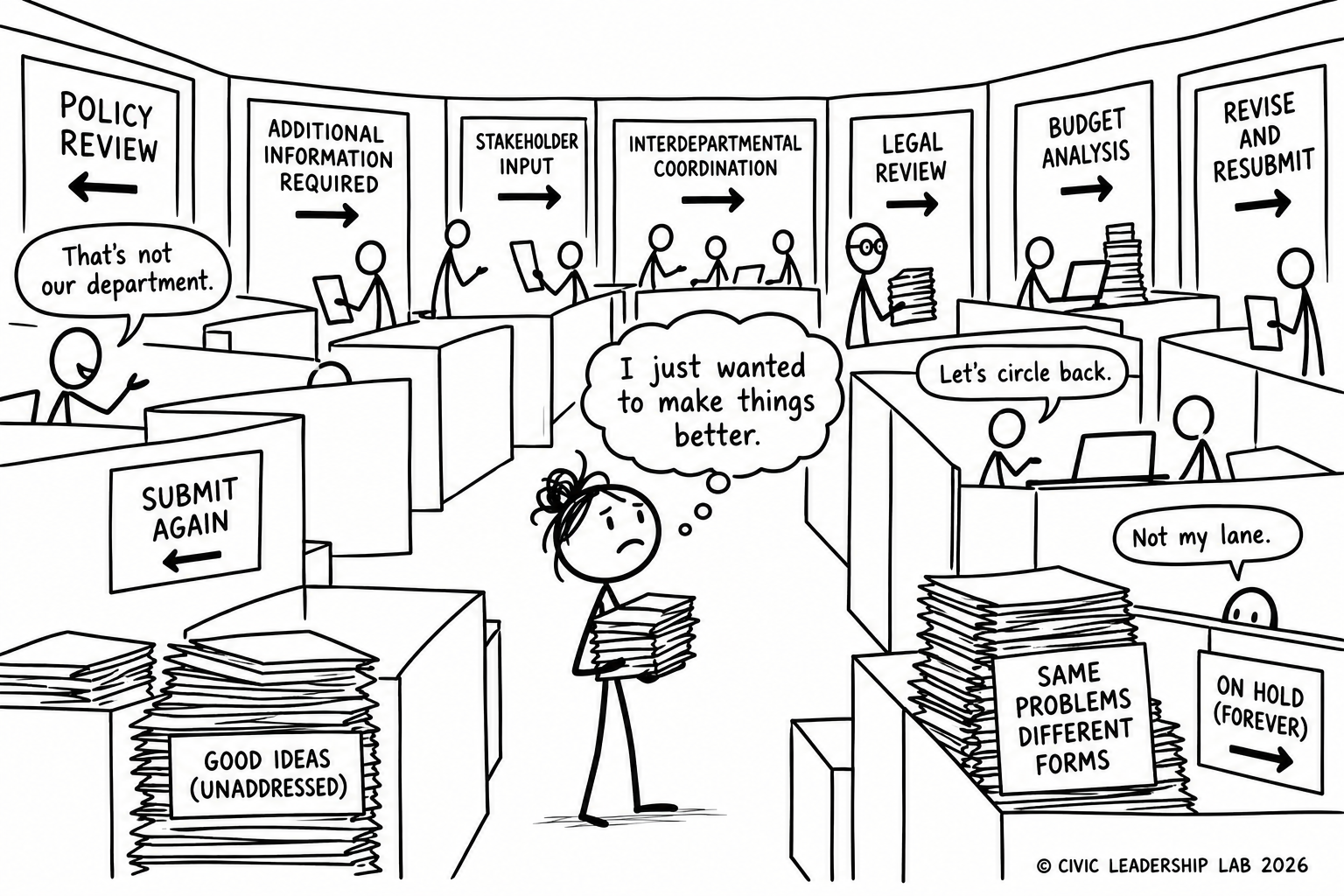
The Administrative Burden of Being Human
Whether by design, decades of accumulated decisions, or actual child-proofing (see current administration), bureaucratic complexity can accomplish something very convenient: it discourages participation, rewards those who can navigate the system, and allows institutions to mistake survival for success.
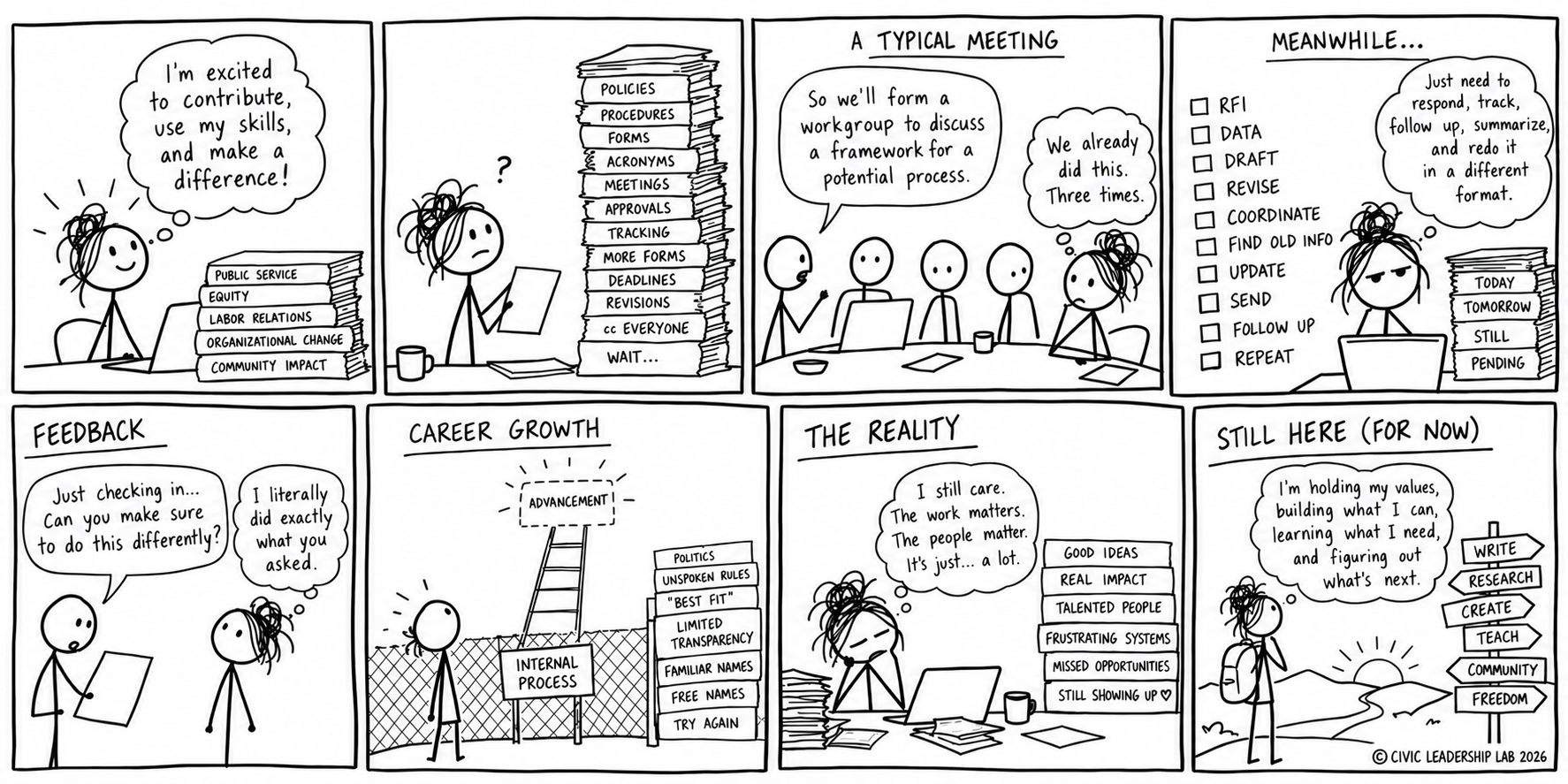

Meritocracy: Who Decides Who Deserves What?
Who gets to stand above the rest—and call it merit? Wealth, connections, access, maleness, and whiteness can shape who is recognized as “the most qualified.” A formal hiring process can give accumulated advantage the appearance of an objective result.

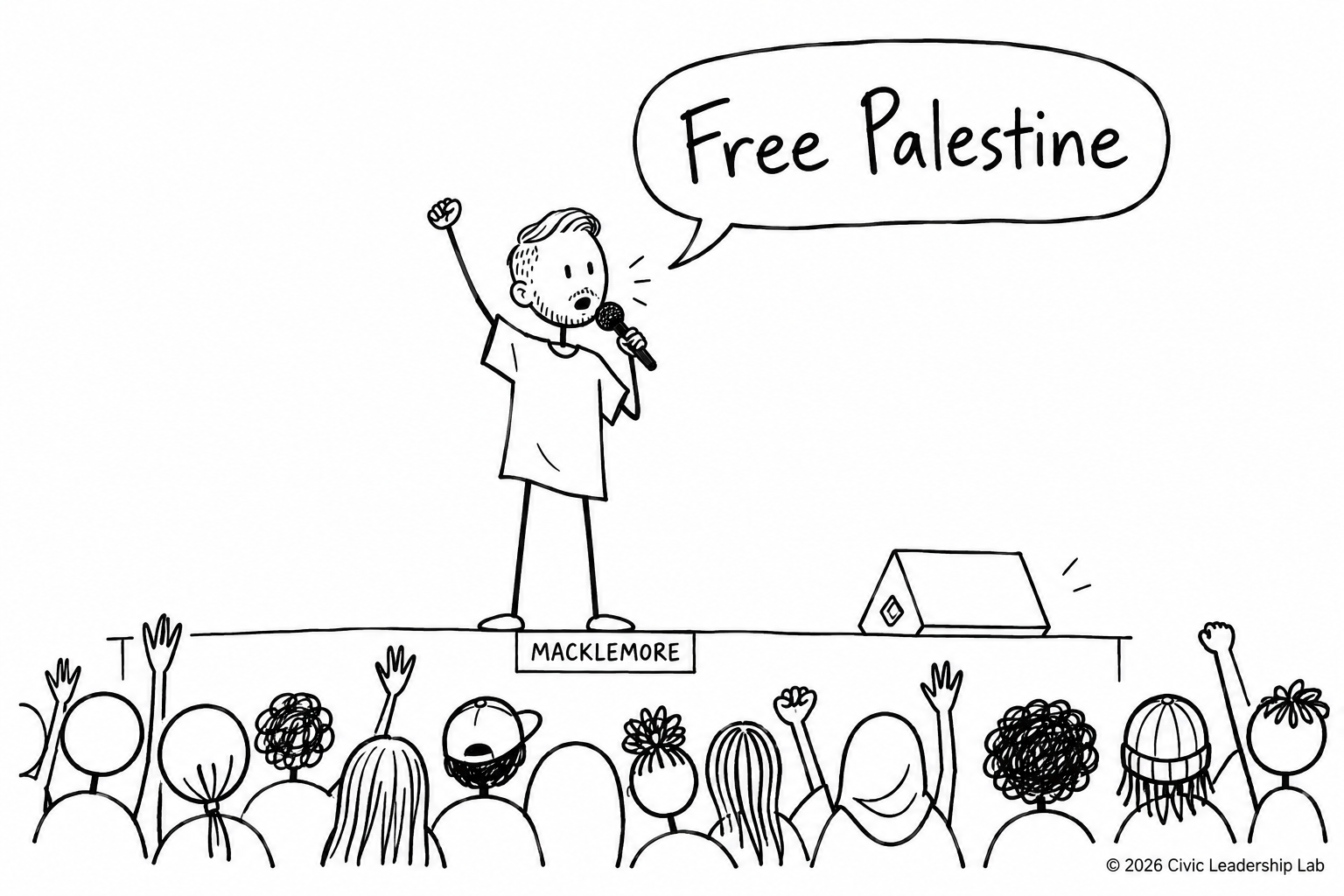
From the River To the Sea…
Macklemore most recently gave his "Free Palestine" speech on Sept. 4 & 5th, 2026, while performing as an opening act for Ed Sheeran's tour at MetLife Stadium in East Rutherford, New Jersey.
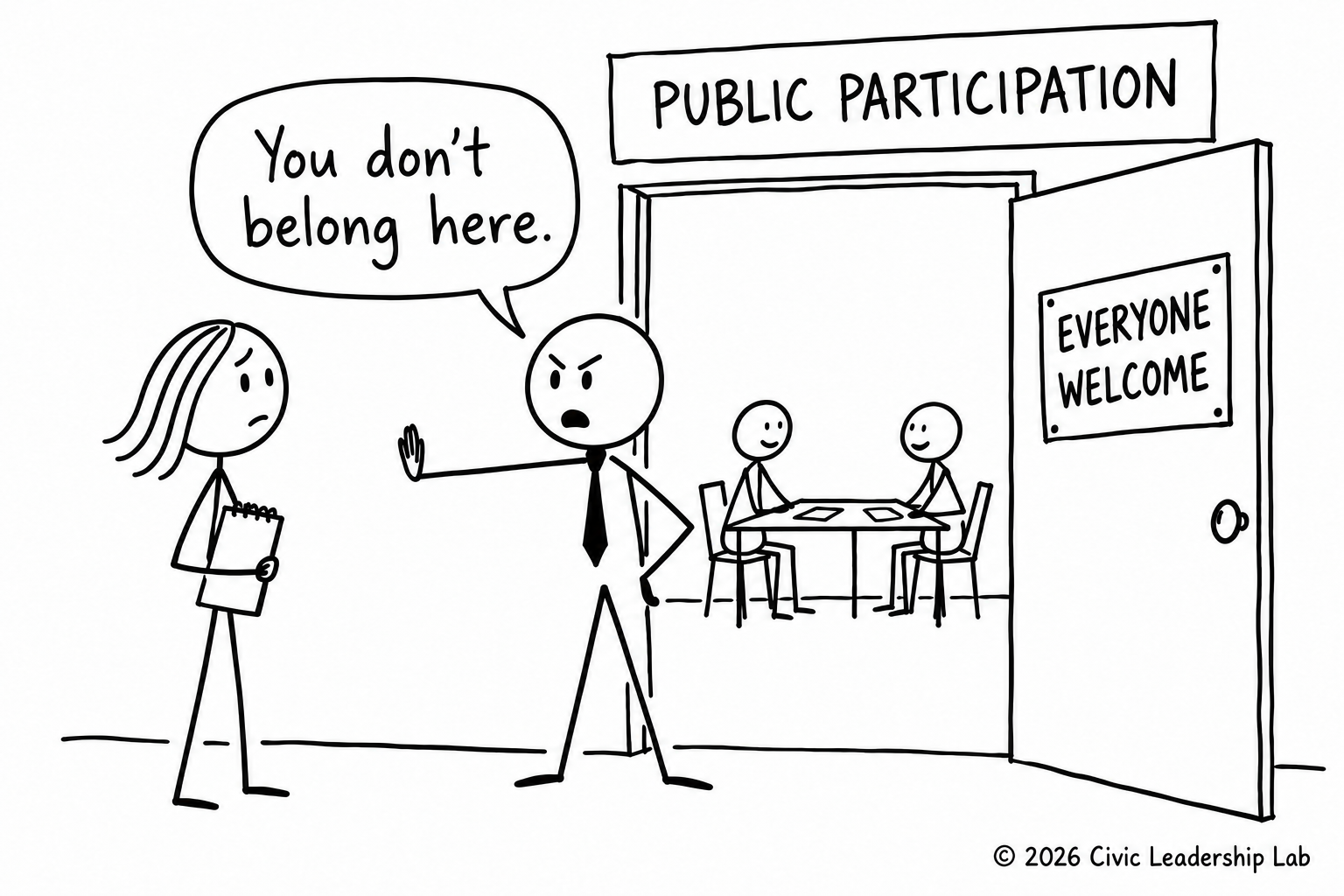
You Don’t Belong Here: The Cost of Civic Participation
“Everyone welcome” means little when someone at the door decides you don’t belong. Who gets to participate, whose presence is questioned, and what happens when public institutions treat belonging as a privilege they can grant or withdraw?
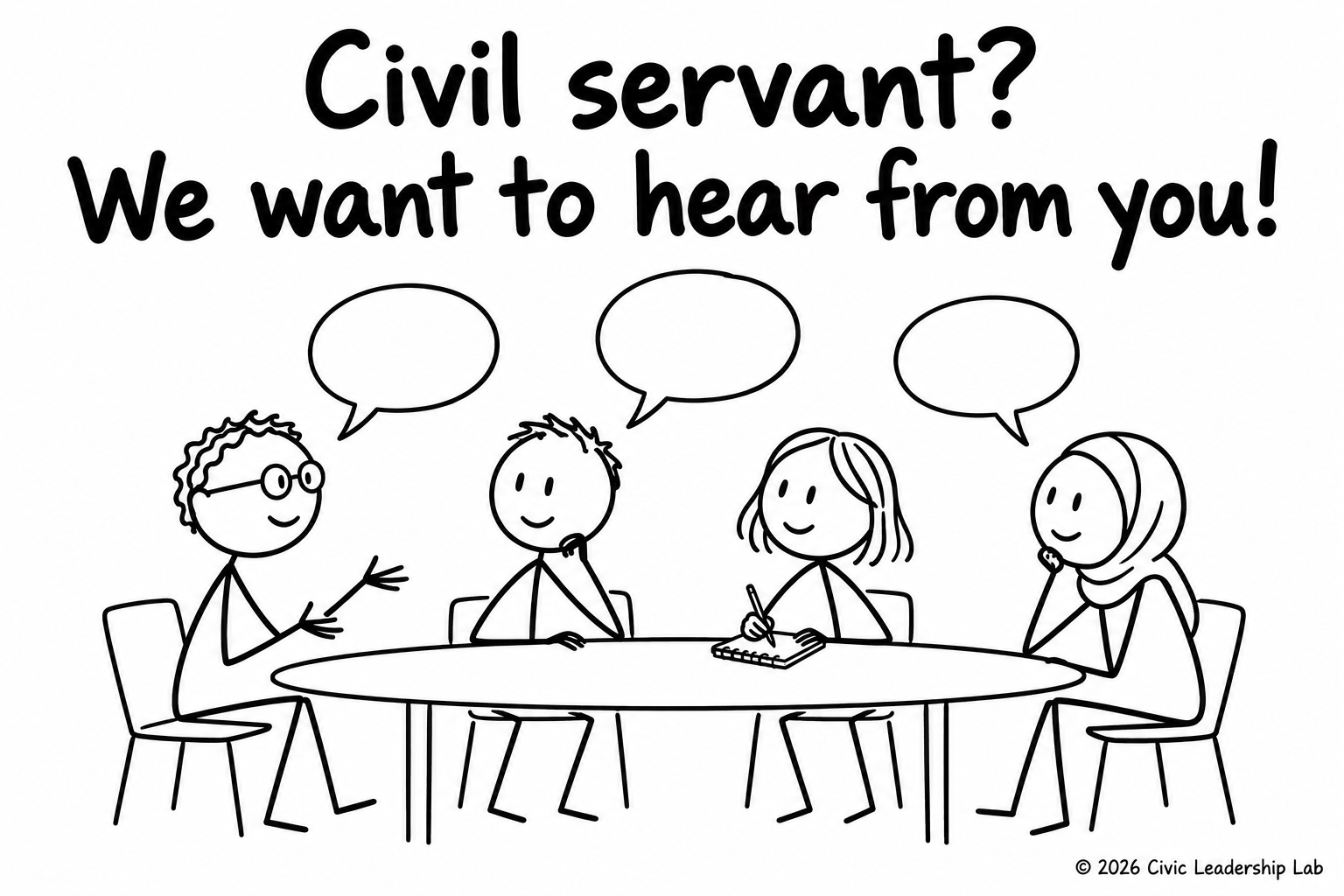
Civil Servant? Submit your questions and or stories!
What does public service look like from the inside? We want to hear from current and former civil servants about the work, the unwritten rules, and what happens when someone questions how things are done. Your experiences can help us understand how public institutions operate—and what needs to change.
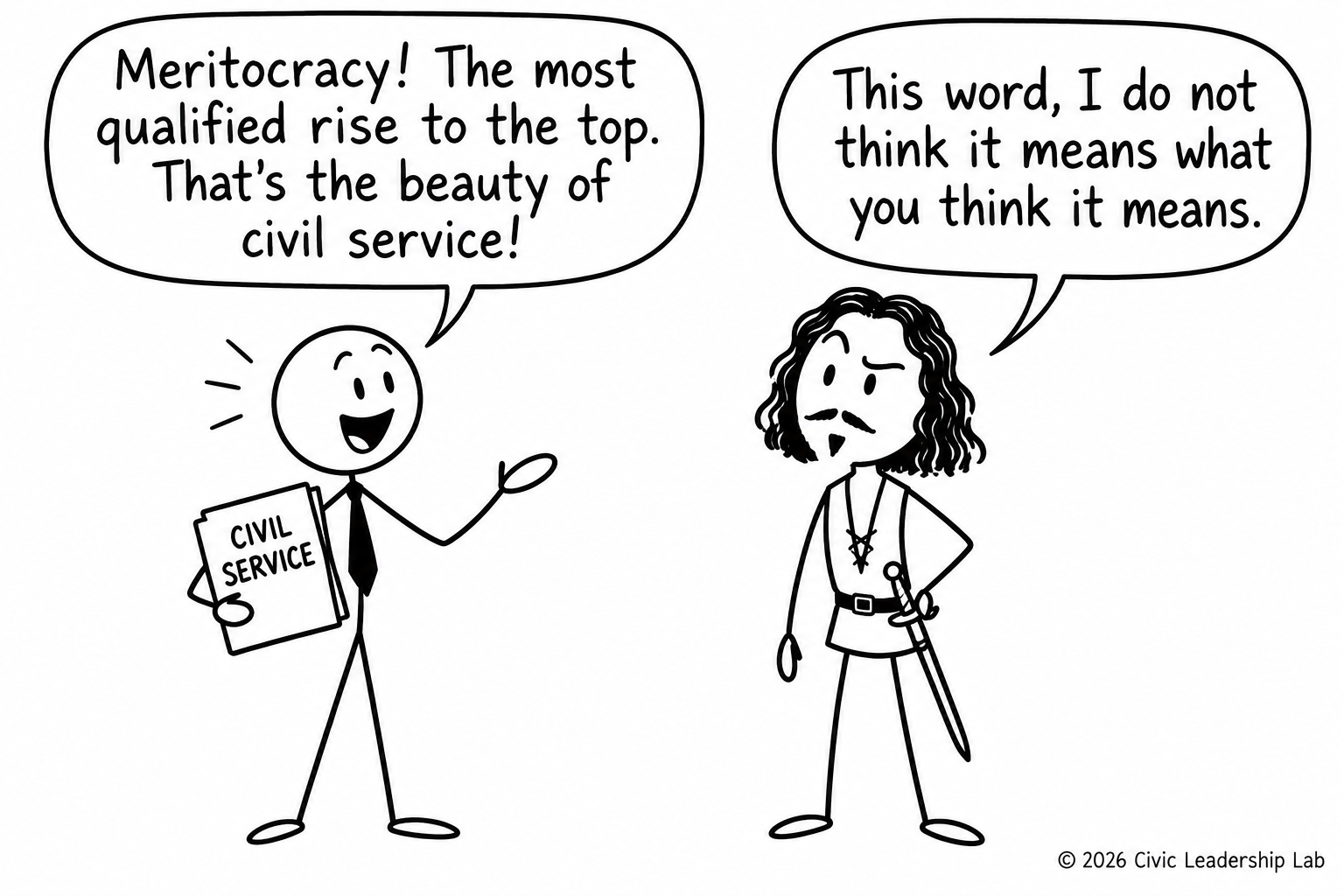
Silly buggers
We keep using the word “meritocracy” as though it settles the question of fairness. But who defines merit, whose abilities get recognized, and how did passing through a hiring process become proof that someone deserves power?
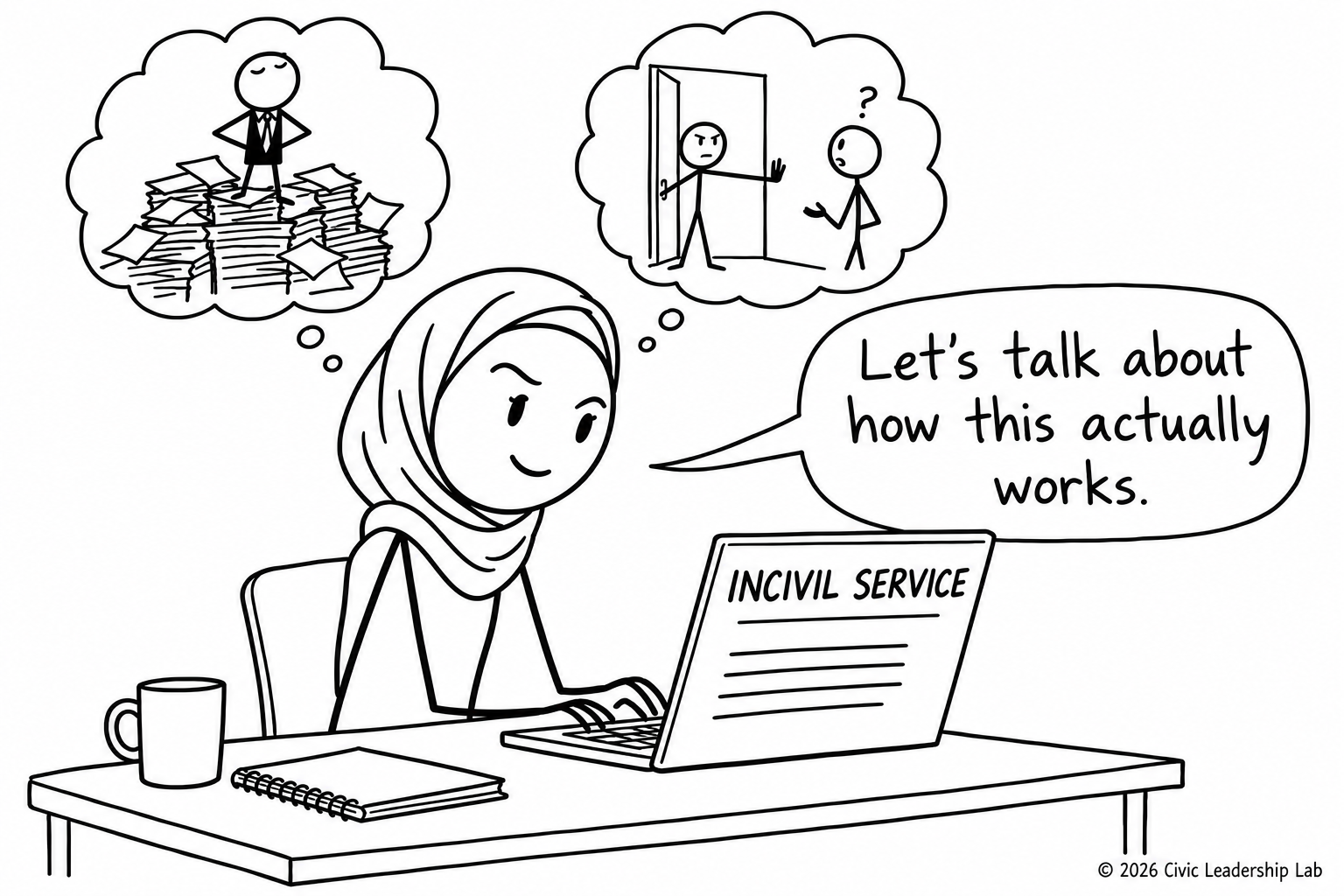
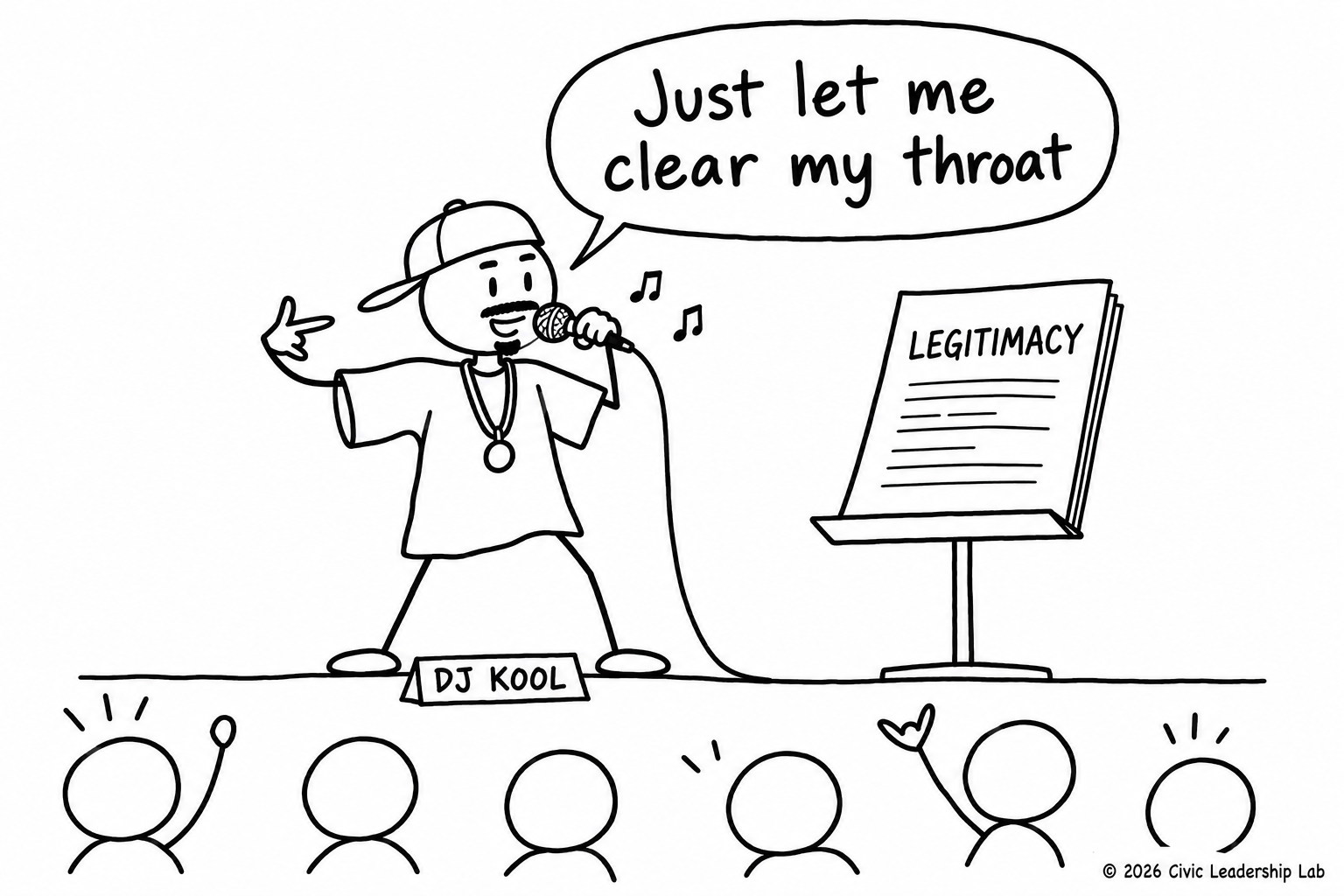
“Just let me clear my throat…“
How can institutions publicly embrace equity while resisting changes to who holds power—and how people who challenge that contradiction become the problem. The central tension is whether inclusion changes an institution or helps it preserve its credibility while leaving its power structures intact.
